 Main Site
  Admissions
  Apply Online
  Help
Help  parkstreet@apeejayschool.com
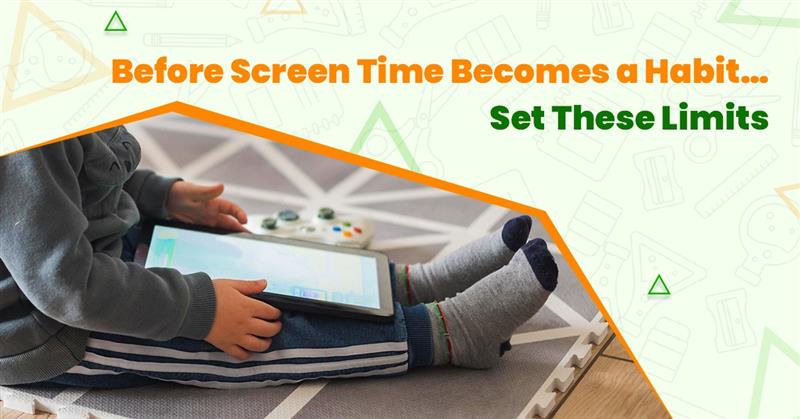
Before Screen Time Becomes a Habit… Set These Limits
Excessive screen time for children has become a serious concern after the COVID-19 pandemic. Online classes and digital entertainment increased device dependency among students. This blog explains practical ways to limit screen exposure, reduce screen addiction in kids, and promote digital wellbeing for children. It also shows how Apeejay School encourages healthy technology habits for students while balancing learning and technology responsibly.
FAQ. What are signs of screen addiction in kids?
Children may feel restless without devices. They may avoid outdoor activities and conversations. Falling academic performance is another warning sign. These behaviours indicate growing screen dependency that parents must address early.
Why is excessive screen time for children harmful?
- Excessive screen time for children affects sleep patterns and concentration levels leading to screen addiction in kids.
- Long exposure causes eye strain and headaches, affecting digital wellbeing for children.
- Children using devices excessively often avoid outdoor activities reducing physical fitness and creativity.
- Many children prefer screens over conversations which turns to screen addiction in kids, weakening social interactive skills.
- Children easily become distracted by Overexposure to digital content, affecting academic focus.
- Balanced digital habits improve digital wellbeing for children, otherwise children exposed to uncontrolled digital content may develop anxiety or aggression.
FAQ. How can parents reduce mobile phone usage among children?
Parents should create clear device rules at home. Encourage sports, hobbies and reading activities regularly. Avoid giving devices during meals or bedtime. Most importantly, parents must supervise their children all the time.
How does Apeejay School limit screen time for children?
1. Structured Digital Learning
Apeejay School designs balanced schedules that control screen time for children during lessons. Teachers combine technology with books, discussions and classroom activities. This approach prevents unnecessary digital exposure. It also promotes healthy technology habits for students and protects digital wellbeing for children.
2. Activity-Based Classroom Learning
Teachers regularly use projects, experiments and teamwork. These activities reduce dependence on devices. This strategy carefully manages screen time for children in classrooms. It strengthens healthy technology habits for students while supporting digital wellbeing for children.
3. Awareness Programs for Students and Parents
The school conducts seminars about responsible device use. Experts explain the impact of mobile phones on children and learning behaviour. Parents learn methods to monitor screen time for children at home. These programs strongly encourage healthy technology habits for students.
4. Sports and Creative Engagement
Apeejay promotes sports, arts, and cultural activities every week. These programs naturally reduce screen time for children. Students enjoy healthier routines and social interactions. Such initiatives also reduce the impact of mobile phones on children while improving confidence.
FAQ. How much screen time is safe for children daily?
Experts recommend limited daily device use for young children. Ideally, restrict non-academic usage to one hour daily. Parents must supervise digital content carefully. Balanced routines with study, play and reading support better digital wellbeing for children.
How does Apeejay justify online learning vs screen overuse?
- Apeejay believes technology supports learning, not replaces classrooms in online learning vs screen overuse
- Teachers carefully monitor screen time for children during digital lessons.
- Schools encourage discussions, writing exercises and outdoor learning regularly supporting digital wellbeing for children.
- Students learn discipline in device usage building healthy technology habits for students
FAQ. Why should schools monitor student screen exposure?
Schools influence children’s daily learning habits strongly. Excessive device use can affect focus and creativity. Apeejay School implements balanced teaching methods to reduce digital dependency. Responsible school policies ensure healthy technology use among students.
Conclusion
Technology plays an essential role in modern education. However, responsible use remains critical for children. Schools and parents must jointly monitor screen time for children. Choose institutions like Apeejay that prioritise safe technology use for proper children growth. Apply to Apeejay School today!
Recent Posts
- Common Mistakes Students Make Before Exams
- 🔬 Celebrating Curiosity, Creativity & Innovation! 🌟 MIND MATRIX 2.0
- 🌱 Ek Pedh Maa Ke Naam 🌱
- 🇮🇳 Har Ghar Tiranga Campaign 2026 🇮🇳 Independence Day 2026 Celebration
- SAT Workshop for students of Classes XI & XII
- 🔬⚙️💡Welcoming the STEM Student Council 2026–27! 🔬⚙️💡